Narcissus
| Narcissus | |
| ナルキッソス | |
SH1P5X
Artwork from Devil Summoner: Soul Hackers
Artwork from Persona 5: The Phantom X | |
| Other Name(s) | Self-Infatuated Star Persona 5 Persona 5Persona 5 Royal |
| Origin | Greek culture |
| Race(s) | JiraeShin Megami Tensei V Shin Megami Tensei V: Vengeance Tree Shin Megami Tensei IVShin Megami Tensei IV: Apocalypse Shin Megami Tensei: Liberation Dx2 Devil Summoner: Soul Hackers Shin Megami Tensei Trading Card: Card Summoner Kētai Akuma Densho |
| Alignment(s) | Light-LawDevil Summoner: Soul Hackers Neutral-Neutral Shin Megami Tensei VShin Megami Tensei V: Vengeance |
| Arcana | AeonPersona 4 Golden Lovers Persona 3Persona 3 FES Persona 3 Portable Persona 3 Reload Persona 5 Persona 5 Royal Persona Q2: New Cinema Labyrinth Persona Mobile Online |


Narcissus is a Demon in the Megami Tensei franchise.
Profile
Origin
Narcissus[a] is a youth in Greek mythology whose story is often used as a metaphor for vanity and self-obsession, most recognized for his appearance in the Roman poet Ovid's Metamorphoses.
In Ovid's version, Narcissus was the son of the river god Cephissus and the nymph Liriope, known for his physical attractiveness. From an early age, it was prophesied that he would live a long life, so long as he never viewed his own reflection. As he got older, Narcissus gained admiration from men and women alike, though his self-absorption made him indifferent to all of them. One such admirer was the nymph Echo, who could not express her feelings due to being under the curse of Juno (Hera). As retribution, Nemesis cursed Narcissus to catch his reflection in a spring of clear water, which enamored him instantly, not realizing that it was his own image. He tried endlessly to kiss and embrace his reflection to no avail, and when he finally died by the spring, a white flower bloomed in his place.
A version by the Greek author Conon written around the same time as Ovid's has a man named Ameinias instead of Echo, and Narcissus instead commits suicide rather than drowning.[1] There also exists a fragment of a Greek text with a short version of the Narcissus story which seems to pre-date both Ovid and Conon.[2] Pausanias mentions an alternative version where Narcissus fell in love with his twin sister rather than himself, and after she died he saw his sister in his reflection.[3]
Design
Narcissus is a slender man clothed in a red sash, possessing flowing blond hair, as well as white narcissus flowers blossoming atop his head and around his feet.
Gameplay
- For complete gameplay information, see Gameplay:Narcissus.
Compendium
| Compendium Entries | |
|---|---|
| Shin Megami Tensei IV |
A young man of Greek lore. He rejected the nymph Echo, who faded to a whisper out of despair. Cursed by Nemesis, he fell in love with his own reflection and wasted away, becoming the flower that now bears his name. |
| Shin Megami Tensei IV: Apocalypse |
A young man of Greek lore. He rejected the nymph Echo, who faded to a whisper out of despair. Cursed by Nemesis, he fell in love with his own reflection and wasted away, becoming the flower that now bears his name. |
| Shin Megami Tensei V |
A young man of Greek lore. He rejected the nymph Echo, who faded to a whisper out of despair. Cursed by Nemesis, he fell in love with his own reflection and wasted away, becoming the flower that now bears his name. |
| Shin Megami Tensei V: Vengeance |
A young man of Greek lore. Cursed by Nemesis, he fell in love with his own reflection and wasted away, becoming the flower that now bears his name. |
| Devil Summoner: Soul Hackers(3DS) |
A young man of Greek mythological origin. He rejected the nymph Echo, who faded to a whisper out of despair. Cursed by Nemesis, he fell in love with his own reflection and wasted away, becoming the flower that now bears his name. |
| Persona 3 |
A young man of Greek myth. He rejected the nymph Echo, who faded to a whisper out of despair. Cursed by Nemesis, he fell in love with his own reflection and wasted away. |
| Persona 3 FES | |
| Persona 3 Portable | |
| Persona 3 Reload |
A young man of Greek myth. He rejected the nymph Echo, who faded to a whisper out of despair. Cursed by Nemesis, he fell in love with his own reflection and wasted away. |
| Persona 4 Golden |
A young man of Greek myth. He rejected the nymph Echo, who faded to a whisper out of despair. Cursed by Nemesis, he fell in love with his own reflection and wasted away. |
| Persona 5 |
A young man of Greek myth. He rejected the nymph Echo, who faded to a whisper out of despair. Cursed by Nemesis, he fell in love with his own reflection and wasted away. |
| Persona 5 Royal | |
| Persona Q2: New Cinema Labyrinth |
A young man of Greek myth. He rejected the nymph Echo, who faded to a whisper out of despair. Cursed by Nemesis, he fell in love with his own reflection and wasted away. |
| Persona 5 Tactica |
A young man of Greek myth. He rejected the nymph Echo, who faded to a whisper out of despair. Cursed by Nemesis, he fell in love with his own reflection and wasted away. |
| Persona 5: The Phantom X |
A young man of Greek myth. He rejected the nymph Echo, who faded to a whisper out of despair. Cursed by Nemesis, he fell in love with his own reflection and wasted away. |
| Kētai Akuma Densho |
自分自身を愛したことで知られるギリシア神話の花の神。その姿を水仙に変えられたとされる。 出身地:ギリシアもともとは非常に美しい姿をした青年であったナルキッソスは、妖精エコーをはねつけた罰として、エコーの水たまりに写った自分の姿にしか恋できない呪いをかけられた。彼は自分の姿のうつった水辺を離れることができず衰弱して死んだが、その名のついた花に姿を変えられた。ナルキッソスは春の植物の成長を司る神でもある。古代ギリシアで春になると行われた「花神祭」での人間を生け贄として自然に捧げる風習が花の神であるナルキッソスと重なって生まれた物語であると言われる。Translation: A Greek mythological flower deity, known for having been in love with himself. Believed to have transformed into a narcissus flower. Place of origin: Greece |
| Kaneko Kazuma Dennō Akuma Zukan | 河神ケピソスとニンフのレイリオペのあいだに生まれた美しい少年で、数々の神々や人間に恋心を抱かれる花の神。ナルキッソスに恋した森のニンフ、エコーが恋い焦がれるあまり死んでしまったことから、報復の神ネメシスに、死ぬまで泉に映る自分の姿に見とれて過ごすという運命を与えられる。Translation: A beautiful young man born to the river-god Cephissus and the nymph Leiriope, and a god of flowers holding the affections of many a god and human. Because the forest nymph Echo, who loved Narcissus, died from her longing for him, the goddess of retribution Nemesis imposed upon him the fate of gazing into his own reflection in a spring until he dies. |
Nomenclature
Narcissus is the Latin form of the Greek Greek: Νάρκισσος, romanized Nárkissos.
| Language | Name | Meaning |
|---|---|---|
 English English
|
Narcissus | |
 Japanese Japanese
|
ナルキッソス Narukissosu | Narkissos |
 Simplified Chinese Simplified Chinese
|
那耳喀索斯 Nà'ěrkāsuǒsī | Narkissos |
   Traditional Chinese Traditional Chinese
|
納西瑟斯 Nàxīsèsī | Narcissus |
 French French
|
Narcisse | |
 German German
|
Narziss | |
 Italian Italian
|
Narciso | |
 Korean Korean
|
나르시스Persona 3 Persona 3 FES Persona 3 Portable Nareusiseu |
Narcissus |
| 나르키소스 Nareukisoseu | Narkissos | |
 Polish Polish
|
Narcyz | |
 Brazilian Portuguese Brazilian Portuguese
|
Narciso | |
 Russian Russian
|
Нарцисс Nartsiss | Narcissus |
 Peninsular Spanish Peninsular Spanish
|
Narciso | |
 Turkish Turkish
|
Narkissos | |
| Language | Name | Meaning |
|---|---|---|
| English
|
Self-Infatuated StarPersona 5 Royal | |
| Japanese
|
己惚れる花形Persona 5 Royal Unuboreru Hanagata |
Conceited Star |
| Simplified Chinese
|
自恋的明星Persona 5 Royal Zìliàn de Míngxīng |
Self-Enamored Star |
| Traditional Chinese
|
自戀的明星Persona 5 Royal Zìliàn de Míngxīng |
Self-Enamored Star |
| French
|
Étoile imbue d'elle-mêmePersona 5 Royal |
Star Full of Itself |
| Italian
|
Stella egocentricaPersona 5 Royal |
Egocentric Star |
| Korean
|
자만自慢 화형花形Persona 5 Royal Jaman Hwahyeong |
Conceited Floral Pattern |
| Peninsular Spanish
|
Estrella enamorada de síPersona 5 Royal |
Star Enamored with Itself |
Gallery
-
 Artwork from Devil Summoner: Soul Hackers
 -
 Artwork from Persona 5: The Phantom X
 -
 Censored artwork from the Chinese version of Persona 5: The Phantom X
 -
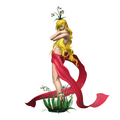 Render from Shin Megami Tensei: Liberation Dx2
 -
 Render from Persona 5
 -
 Sprite from Shin Megami Tensei IV
 -
 Sprite from the PlayStation version of Devil Summoner: Soul Hackers
 -
 Sprite from the Nintendo 3DS version of Devil Summoner: Soul Hackers
 -
 Sprite from Shin Megami Tensei Trading Card: Card Summoner
 -
 Icon from Shin Megami Tensei V
 -
 Card graphic from Persona 3
 -
 Graphic from Persona 3 Portable
 -
 Graphic from Persona 3 Reload
 -
 Graphic from Persona 4 Golden
 -
 Graphic from Persona Q2: New Cinema Labyrinth
 -
 Battle icon from Persona 5: The Phantom X
 -
 Graphic from Kaneko Kazuma Dennō Akuma Zukan
 -
 Model from Persona 3
 -
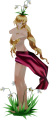 Model from Persona 3 Reload
 -
 Frolic Cut-in in Persona 3
 -
 Frolic Fusion Spell in Persona 3
 -
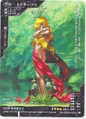 Card DS-059 from Shin Megami Tensei Card Game: Devil Summoner World


Videos
Notes
References
- Demons from Greek Culture
- Demons in Shin Megami Tensei IV
- Demons in Shin Megami Tensei IV: Apocalypse
- Demons in Shin Megami Tensei V
- Demons in Shin Megami Tensei V: Vengeance
- Demons in Shin Megami Tensei: Liberation Dx2
- Demons in Devil Summoner: Soul Hackers
- Personas in Persona 3
- Personas in Persona 3 FES
- Personas in Persona 3 Portable
- Personas in Persona 3 Reload
- Personas in Persona 4 Golden
- Personas in Persona 5
- Shadows in Persona 5
- Personas in Persona 5 Royal
- Shadows in Persona 5 Royal
- Personas in Persona Q2: New Cinema Labyrinth
- Personas in Persona 5 Tactica
- Personas in Persona 5: The Phantom X
- Shadows in Persona 5: The Phantom X
- Personas in Persona Mobile Online
- Demons in Shin Megami Tensei Trading Card: Card Summoner
- Demons in Kētai Akuma Densho
- Demons in Kaneko Kazuma Dennō Akuma Zukan