Nameless Shrine

|
This Devil Summoner series location page is a stub. You can help Megami Tensei Wiki by expanding it. |
| No reason provided. |
| Nameless Shrine | |
| 名もなき神社 | |

| |
DSRK1RMSA
Artwork from Raidou Remastered: The Mystery of the Soulless Army | |
| Location | Shinoda Tsukigata Village |


Nameless Shrine is a location in the Devil Summoner series.
Profile
Nameless Shrines are locations utilized by local Devil Summoners to contact the Yatagarasu. By performing a specific ritual, one can summon the Herald of Yatagarasu, who has the ability to transport someone to another dimension.
The secluded Shinoda forest where the Capital's nameless shrine resides is intended to contrast with the urban center of the city.[1][2] The specific design of the shrine grounds were modeled after the Kuzunoha Clan. The statues in front of the shrine building are foxes, which are the symbol of the clan. It's believed that nameless shrines mainly used by other clans would feature a different animal.[3] These statues are Bunrei of the god Uka-no-Mitama in service of the clan.[4] They hold pipes in their mouths as a reference to Kudagitsune.[5] According to the Devil Summoner: Raidou Kuzunoha vs. the Soulless Army Super Official Fanbook, the advice given to Raidou Kuzunoha XIV by the statues is not literally spoken, but stored within the statue as information. The specific text that can be read by the viewer is determined by their spiritual power, which is why the statues appear normal to average citizens and their advice for Raidou changes as the story progresses.[6]
The shrine's plaque and lanterns feature a form of text known as karasu-moji, which is stylized after crows. In Devil Summoner: Raidou Kuzunoha vs. the Soulless Army and Devil Summoner: Raidou Kuzunoha vs. King Abaddon, the lanterns' text in both Shinoda and Tsukigata Village reads 葛葉 kuzunoha; however in Raidou Remastered: The Mystery of the Soulless Army, the text was changed to 帝都 meaning imperial capital.[7][5]
Gameplay
Devil Summoner: Raidou Kuzunoha vs. the Soulless Army
Devil Summoner: Raidou Kuzunoha vs. King Abaddon
Game Appearances
Devil Summoner: Raidou Kuzunoha vs. the Soulless Army
Devil Summoner: Raidou Kuzunoha vs. King Abaddon
Soul Hackers 2
Novel Appearances
Trivia
- The Nameless Shrine's use of fox imagery, relation to the Kuzunoha Clan, and placement in Shinoda is likely intended to reference the Shinoda-no-Mori Inari [ja] shrine, which is associated with the kitsune Kuzunoha.
Nomenclature
| Language | Name | Meaning |
|---|---|---|
 English English
|
Nameless Shrine | |
 Japanese Japanese
|
名もなき神社 | |
名も無き神社 Devil Summoner: Raidou Kuzunoha vs. the Soulless Army Super Official Fanbook Devil Summoner: Raidou Kuzunoha vs. the Soulless Army Super Official Fanbook | ||
Gallery
-
 Nameless shrine building from Devil Summoner: Raidou Kuzunoha vs. the Soulless Army Super Official Fanbook
 -
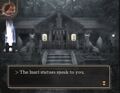 Shinoda's nameless shrine in Devil Summoner: Raidou Kuzunoha vs. King Abaddon
 -
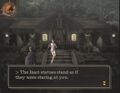 Tsukigata Village's nameless shrine in Devil Summoner: Raidou Kuzunoha vs. King Abaddon
 -
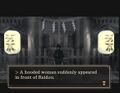 Nameless shrine building in Devil Summoner: Raidou Kuzunoha vs. King Abaddon
 -
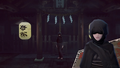 Nameless shrine building in Raidou Remastered: The Mystery of the Soulless Army
 -
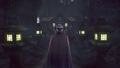 Nameless shrine grounds in Raidou Remastered: The Mystery of the Soulless Army
 -
 Nameless shrine wallpaper for Raidou Remastered: The Mystery of the Soulless Army
 -
 Nameless shrine lantern graphic from Soul Hackers 2
 -
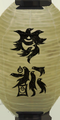 Nameless shrine lantern graphic from Raidou Remastered: The Mystery of the Soulless Army
 -
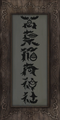 Nameless shrine plaque graphic from Raidou Remastered: The Mystery of the Soulless Army


References
- ↑ "志乃田方面は建物の密集した帝都方面とは対象的に建造物を極力配置せず、ひっそりとした印象にしあげています。" Devil Summoner: Raidou Kuzunoha vs. the Soulless Army Super Official Fanbook (2006). Japanese. 57.
- ↑ "参詣地の様相がある桜田山とは対照的に、鬱蒼と木々が茂り、 そこにひっそりと佇む神社をイメージして作成した。霊的な封印色を強くし、霊峰の社として山が神と崇められていた頃の雰囲気を再現した。" Devil Summoner: Raidou Kuzunoha vs. the Soulless Army Super Official Fanbook (2006). Japanese. 80.
- ↑ "帝都守護の任は、 代々葛葉の里の者が担うため、神社には葛葉のシンボルである狐の像があるが、 別の組織のデビルサマナーとヤタガラスの使者が利用する神社では、この阿吽の像が、 別の動物のものになっていると考えられる。" Devil Summoner: Raidou Kuzunoha vs. the Soulless Army Super Official Fanbook (2006). Japanese. 80.
- ↑ "神社に狛犬のように並んでいる狐の石像。 単なる石像ではなく、葛葉一族のデビルサマナーとしての仕事をサポートする役割を持った、ウカノミタマの分霊であるらしい(左のオキツネさま談)。 このウカノミタマとは、『古事記』でスサノオの子として登場する神で、性別の記述がないことから男性神とも女性神とも伝えられる。 漢字で書くと「宇迦之御魂神」となり、名前にある「宇迦(ウカ)」とは穀物や食物を意味するため、稲作の神である稲荷神と同一視されたとか。とりあえず彼らがサポートしてくれている限り、ライドウも鳴海も食べるのにだけは苦労せずに済みそうである。" Devil Summoner: Raidou Kuzunoha vs. the Soulless Army Super Official Fanbook (2006). Japanese. 172.
- ↑ 5.0 5.1 "ままた、神社の装飾には烏文字を用いており、 葛葉ゆかりの地であることを表現している。 さらに左右の稲荷像にはクダ狐を表すため、 管をくわえさせている。" Devil Summoner: Raidou Kuzunoha vs. the Soulless Army Super Official Fanbook (2006). Japanese. 80.
- ↑ "それゆえ、狐の像は、 葛葉のデビルサマナーに様々な示唆を与え、助言を与えてくれる。 この助言は、 実際にそこで話されているわけではなく、像に収められた情報を、情報体としての悪魔を認識するように、デビルサマナーが読み取っているのである。状況に応じて読み取る情報が変化するのは、 デビルサマナーの能力や成長に応じて、読み取ることのできる深さが変化するためだ。 だからこそ、 同じ情報を繰り返し読み取るような状況も成立する。また、そうした仕組みゆえ、 一般人がそれを知ることはない。" Devil Summoner: Raidou Kuzunoha vs. the Soulless Army Super Official Fanbook (2006). Japanese. 80.
- ↑ "名も無き神社の境内にある提燈。ここに書かれている模様をよく見ると、図案化したカラスを組み合わせた模様になっている。じつはこれ、カラス文字と呼ばれるれっきとした文字なのだ。現存するカラス文字としては、ヤタガラスを神の使いとして祀っている熊野本宮大社で、「熊野牛王宝印」というものが有名。これは計88羽のカラスを組み合わせて和紙に書かれたお札で、災厄から守る護符として「おカラスさま」と呼ばれて親しまれている。ちなみに名も無き神社の提燈に書かれている文字は、「葛葉神社」であるらしい。" Devil Summoner: Raidou Kuzunoha vs. the Soulless Army Super Official Fanbook (2006). Japanese. 189.