Dionysus


Dionysus is a Demon in the Megami Tensei franchise.
Profile
Origin

Dionysus,[a] also known as Bacchus,[b] is a god associated with wine, vegetation, ritual madness, and religious ecstasy in ancient Greek religion. His worship is attested in Mycenaean Greece during the Late Bronze Age, making Dionysus one of the earliest-attested Greek deities. His name appears in Linear B tablets from Pylos and Khania dating to around the 13th century BC, although these records provide little information about his character or mythology.[1]
In Greek mythology, Dionysus is the son of Zeus and the mortal Semele. According to the Bibliotheca, Hera disguised herself as an old woman and persuaded the pregnant Semele to ask Zeus to reveal himself in his divine form. Zeus had sworn by the River Styx to grant Semele's request and appeared before her in his full divine form, causing her to be consumed by his lightning. Zeus rescued the unborn Dionysus from her body and sewed him into his thigh until he was ready to be born, giving rise to the epithet "twice-born." Other traditions give different accounts of Dionysus's birth and upbringing.
Dionysus was raised away from Zeus and Hera according to various mythological traditions. Depending on the account, he was entrusted to Hermes, the nymphs of Mount Nysa, or other divine or mortal guardians. As an adult, Dionysus traveled widely and was associated with the spread of viticulture and the cultivation of grapes. Greek and later Roman traditions also attributed to him journeys into foreign lands, including India, before his return to Greece.
Dionysus also appears in the religious traditions of Orphism, where he is identified with Zagreus, a son of Zeus and Persephone. In the Orphic myth, Zeus designated Zagreus as his successor, prompting Hera to incite the Titans against him. The Titans killed Zagreus and consumed his body, but Athena preserved his heart and brought it to Zeus. Zeus then destroyed the Titans with his thunderbolt, and humanity was said to have arisen from their remains. Later Orphic traditions connected the surviving heart with the rebirth of Dionysus, although accounts differ on whether Zeus swallowed the heart, implanted it in his thigh, or gave it to Semele.
Dionysus was identified with other deities in the religious traditions of the ancient Mediterranean. In Rome, he was associated with the god Liber, while Greek and Roman writers also compared or identified him with the Egyptian god Osiris. Plutarch further discussed an identification between Dionysus and Yahweh, reflecting the syncretic interpretations of foreign deities found in Hellenistic and Roman-period religious thought.[2][3][4]
Design
Dionysus is a blond man with multicoloured skin of blue, green, and orange swirls wearing a red cape and white laurel. Hung around his neck a Thyrsus staff is hung by a rope.
Gameplay
- For complete gameplay information, see Gameplay:Dionysus.
Compendium

|
This section is a stub. You can help Megami Tensei Wiki by expanding it. |
| Reason: Missing SMTSJR, SMTI, Dx2 and SMTTC entries. |
| Compendium Entries | |
|---|---|
| Shin Megami Tensei III: Nocturne |
The Greek god of wine and orgies. He had two births. When his mother died while pregnant with him, Zeus took the premature infant and let him mature to proper birth in his thigh. |
| Shin Megami Tensei III: Nocturne HD Remaster | |
| Shin Megami Tensei: Strange Journey |
The Greek god of wine and theater. He had two births. He was originally a god of life protecting the mountains of Thrace. He taught humans how to make wine. |
| Shin Megami Tensei IV |
The Greek god of wine and theater. He had two births. He was originally a god of life protecting the mountains of Thrace. He taught humans how to make wine. |
| Shin Megami Tensei IV: Apocalypse |
The Greek god of wine and theater. He had two births. |
| Shin Megami Tensei V |
The Greek god of wine and theater. He had two births. Myth tells that Zeus took the premature Dionysus from his dying mother, Semele, and allowed him to mature inside his thigh so that the underdeveloped god might have a proper birth. |
| Shin Megami Tensei V: Vengeance | |
| Devil Summoner: Soul Hackers(3DS) |
The Greek god of wine and theater. He had two births. He was originally a god of life protecting the mountains of Thrace. He taught humans how to make wine. |
| Soul Hackers 2 |
The Greek god of wine and theater. He had two births. Myth tells that Zeus took the premature Dionysus from his dying mother, Semele, and allowed him to mature inside his thigh so that the underdeveloped god might have a proper birth. |
| Persona 3 |
The Greek god of wine and theater. He had two births. When his mother died while bearing him, Zeus took the premature infant and let him mature to a proper birth in his thigh. |
| Persona 3 FES | |
| Persona 3 Portable | |
| Persona 3 Reload |
The Greek god of wine and theater. He had two births. When his mother died while bearing him, Zeus took the premature infant and let him mature in Zeus's own thigh to a proper birth. |
| Persona 5 |
The Greek god of wine and theater. He was originally a god of life protecting the mountains of Thrace. He taught humans how to make wine. |
| Persona 5 Royal | |
| Persona 5 Tactica |
The Greek god of wine and theater. He was originally a god of life protecting the mountains of Thrace. He taught humans how to make wine. |
| Persona 5: The Phantom X |
The Greek god of wine and theater. He was originally a god of life protecting the mountains of Thrace. He taught humans how to make wine. |
| Devil Survivor 2: Record Breaker |
The Greek god of wine and theater. He was worshipped by female mystery cults. He was originally a god of life protecting the mountains of Thrace. He taught humans how to make wine. |
| Kētai Akuma Densho |
ギリシア神話のぶどう酒の神。オルフェウス教において最高神ともいえる神にされた。 出身地:ギリシアディオニュソスはギリシア神話の主神ゼウスとテーベ王カドモスの娘セメレとの間に生まれた。成長するとぶどうの実とぶどう酒の作り方を発見した。この功績により、彼はぶどう酒の神とされた。後に人々の信仰を集めた彼はその影響力を強め、ぶどう酒の神から植物の神、楽しみの神、文化の神へと変貌した。そしてオルフェウス教において、最高の神とされるに至った。ディオニュソス密儀と呼ばれる崇拝形式は、信女達の狂乱ぶりで知られている。Translation: The god of wine in Greek mythology. A god who was made into the supreme deity of Orphism. Place of origin: Greece |
| Kaneko Kazuma Dennō Akuma Zukan | 全能神ゼウスとテーバイの王女セメレとの息子で、豊穣、酒、ぶどう(酒)の神として知られる。バッコス、バッカス、プロミオスなどさまざまな名前で呼ばれるが、別名のほとんどが「理性を失う」「騒々しい」「解放」などの意味を持つ。宗教画のモチーフとして取りあげられることも多く、ぶどうや杯を持った青年、天使などの姿で描かれる。Translation: The son of the almighty god Zeus and the Theban princess Semele, known as the god of fertility, wine, and grapes. He is known by various names, such as Bakchos, Bacchus, and Bromius, but nearly all of his other names mean "losing reason", "noisy", or "liberation". He is often used as a motif in religious paintings, depicted as young man or angel holding grapes or a cup. |
Nomenclature
The demon is erroneously named for Διονύσιος Dionýsios (a classical Greek name meaning "he of Dionysus") in the Brazilian Portuguese translation of Persona 3 Reload.
| Language | Name | Meaning |
|---|---|---|
 English English
|
Dionysus | |
 Japanese Japanese
|
ディオニュソス Dionyusosu | Dionysus |
 Simplified Chinese Simplified Chinese
|
狄俄尼索斯 Dí'énísuǒsī | Dionysus |
   Traditional Chinese Traditional Chinese
|
狄俄尼索斯 Dí'énísuǒsī | Dionysus |
 French French
|
Dionysos | Dionysus |
 German German
|
Dionysus | Dionysus |
 Italian Italian
|
Dioniso | Dionysus |
 Korean Korean
|
디오니소스 Dionisoseu | Dionysus |
 Polish Polish
|
Dionizos | Dionysus |
 Brazilian Portuguese Brazilian Portuguese
|
Dioniso Shin Megami Tensei V: Vengeance Shin Megami Tensei V: Vengeance |
Dionysus |
| DionísioPersona 3 Reload |
Dionysius | |
 Russian Russian
|
Дионис Dionis | Dionysus |
 Peninsular Spanish Peninsular Spanish
|
Dioniso | Dionysus |
 Turkish Turkish
|
Dionisos | Dionysus |
| Language | Name | Meaning |
|---|---|---|
| English
|
Hedonistic BraggartPersona 5 Royal | |
| Japanese
|
大言壮語する酔漢Persona 5 Royal Taigensōgo Suru Suikan |
Bragging Drunkard |
| Simplified Chinese
|
豪言壮语的醉汉Persona 5 Royal Háoyánzhuàngyǔ de Zuìhàn |
Boastful Drunkard |
| Traditional Chinese
|
豪言壯語的醉漢Persona 5 Royal Háoyánzhuàngyǔ de Zuìhàn |
Boastful Drunkard |
| French
|
Fanfaron hédonistePersona 5 Royal |
Hedonistic Braggart |
| German
|
Schillernder AngeberPersona 5 Royal |
Shimmering Braggart |
| Italian
|
Sbruffone edonistaPersona 5 Royal |
Hedonistic Braggart |
| Korean
|
큰소리치는 주정酒酊뱅이Persona 5 Royal Keunsorichineun Jujeongbaeng-i |
Bragging Drunkard |
| Peninsular Spanish
|
Fanfarrón hedonistaPersona 5 Royal |
Hedonistic Braggart |
Gallery
-
 Artwork from Devil Summoner: Soul Hackers
 -
 Artwork from Persona 5: The Phantom X
 -
 Render from Shin Megami Tensei: Liberation Dx2
 -
 Render from Persona 5
 -
 Sprite from the PlayStation version of Shin Megami Tensei if...
 -
 Sprite from Shin Megami Tensei IV
 -
 Sprite from the PlayStation version of Devil Summoner: Soul Hackers
 -
 Sprite from the Nintendo 3DS version of Devil Summoner: Soul Hackers
 -
 Sprite from Devil Survivor 2: Record Breaker
 -
 Sprite from Shin Megami Tensei Trading Card: Card Summoner
 -
 Icon from Shin Megami Tensei V
 -
 Icon from Soul Hackers 2
 -
 Card graphic from Persona 3
 -
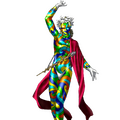 Graphic from Persona 3 Portable
 -
 Graphic from Persona 3 Reload
 -
 Battle icon from Persona 5: The Phantom X
 -
 Graphic from Devil Survivor 2: Record Breaker
 -
 Icon from Devil Survivor 2: Record Breaker
 -
 Graphic from Kaneko Kazuma Dennō Akuma Zukan
 -
 Model from Shin Megami Tensei III: Nocturne
 -
 Model from Persona 3
 -
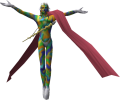 Model from Persona 3 Portable
 -
 Model from Persona 3 Reload
 -
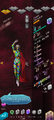 Dionysus' stats in Shin Megami Tensei: Liberation Dx2
 -
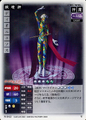 Card N-042 from Shin Megami Tensei Card Game: Nocturne Ver.


Videos
Notes
References
- Pages with section stubs
- Demons from Greek Culture
- Guardians in Shin Megami Tensei if...
- Demons in Shin Megami Tensei III: Nocturne
- Demons in Shin Megami Tensei III: Nocturne Maniax
- Demons in Shin Megami Tensei: Strange Journey
- Demons in Shin Megami Tensei: Strange Journey Redux
- Demons in Shin Megami Tensei IV
- Bosses in Shin Megami Tensei IV
- Demons in Shin Megami Tensei IV: Apocalypse
- Demons in Shin Megami Tensei V
- Demons in Shin Megami Tensei V: Vengeance
- Demons in Shin Megami Tensei: Imagine
- Guardians in Shin Megami Tensei: J
- Demons in Shin Megami Tensei: Liberation Dx2
- Demons in Devil Summoner: Soul Hackers
- Demons in Soul Hackers 2
- Personas in Persona 3
- Personas in Persona 3 FES
- Personas in Persona 3 Portable
- Personas in Persona 3 Reload
- Personas in Persona 5
- Shadows in Persona 5
- Personas in Persona 5 Royal
- Shadows in Persona 5 Royal
- Personas in Persona 5 Tactica
- Personas in Persona 5: The Phantom X
- Shadows in Persona 5: The Phantom X
- Personas in Persona Mobile Online
- Demons in Devil Survivor 2: Record Breaker
- Demons in Shin Megami Tensei Trading Card: Card Summoner
- Demons in Kētai Akuma Densho
- Demons in Kaneko Kazuma Dennō Akuma Zukan